
Discover Packaging‑Free Grocery Finds That Nourish You and the Planet
Your First Basket: Bulk Aisles, Scales, and Friendly Tips
Navigating Bulk Bins With Confidence
Begin by weighing your empty container and writing the tare clearly on a piece of tape or the lid. Scoop carefully to avoid cross-contamination, note the bin number, and label your container with both name and code. Try sample quantities first, learn each store’s rhythm, and discover which staples become your reliable, budget-friendly anchors over time.
Refillable Household Essentials
Beyond pantry food, many refill shops offer dish soap, laundry detergent, hand wash, and even shampoo or conditioner without disposable bottles. Bring pump bottles or sturdy jars, and keep a small funnel handy. Choose concentrated formulas when possible, reduce water weight, and track cost per milliliter. Returning deposits on communal jars stretches savings while closing the loop elegantly.
Common Missteps and Easy Fixes
Forgetting containers happens; keep a lightweight backup kit in your bag with a jar, cloth bag, and pencil. If a jar is heavy, record its tare to the gram for accurate checkout. Spill-prone items prefer wide-mouth containers. When unsure, politely ask staff for best practices, creating supportive relationships that make future visits smoother and more enjoyable.
Markets and Local Producers: Freshness Without the Extras

Containers That Work: Jars, Bags, and Clever Reusables
Glass: Durable, Clean, and Stackable
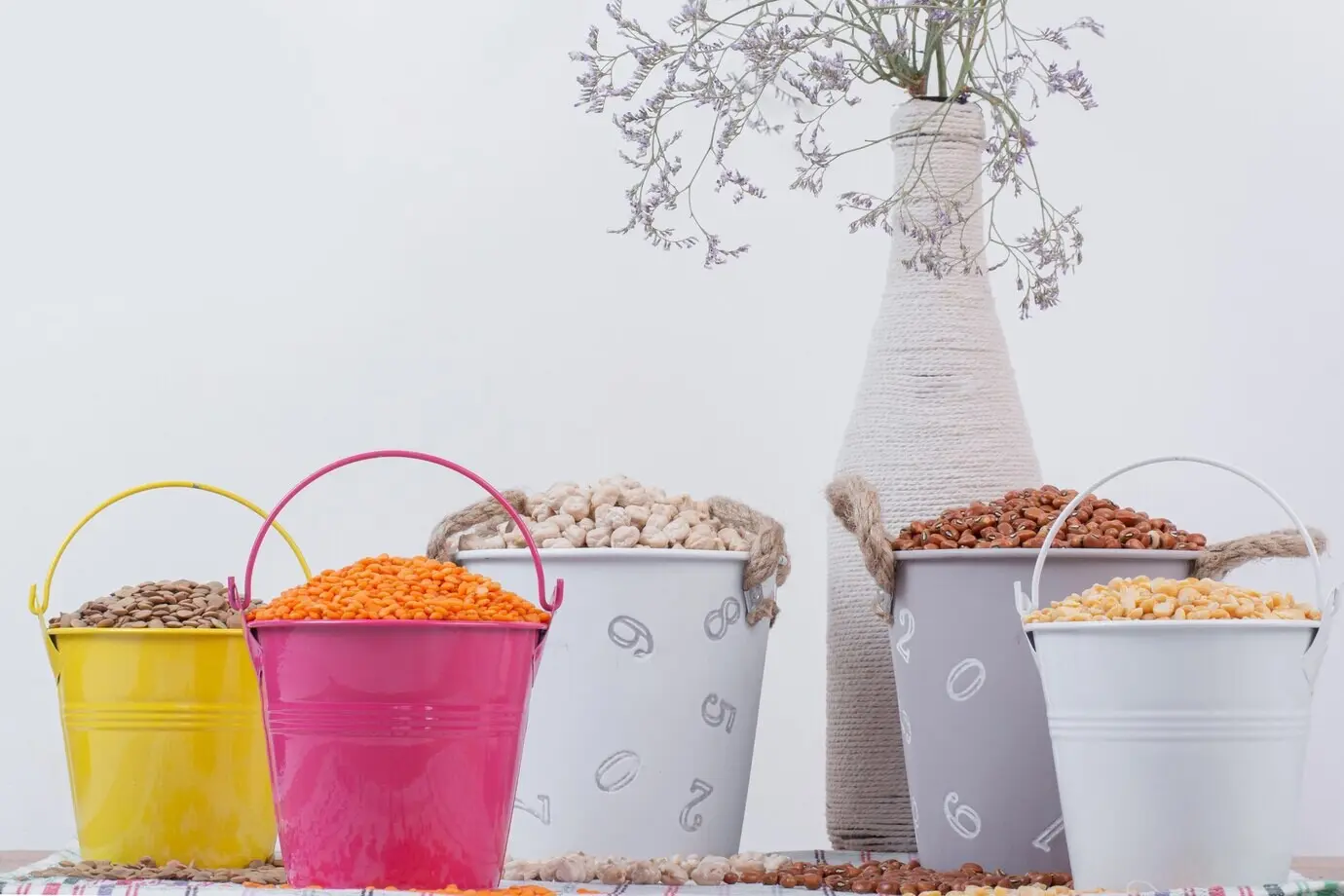
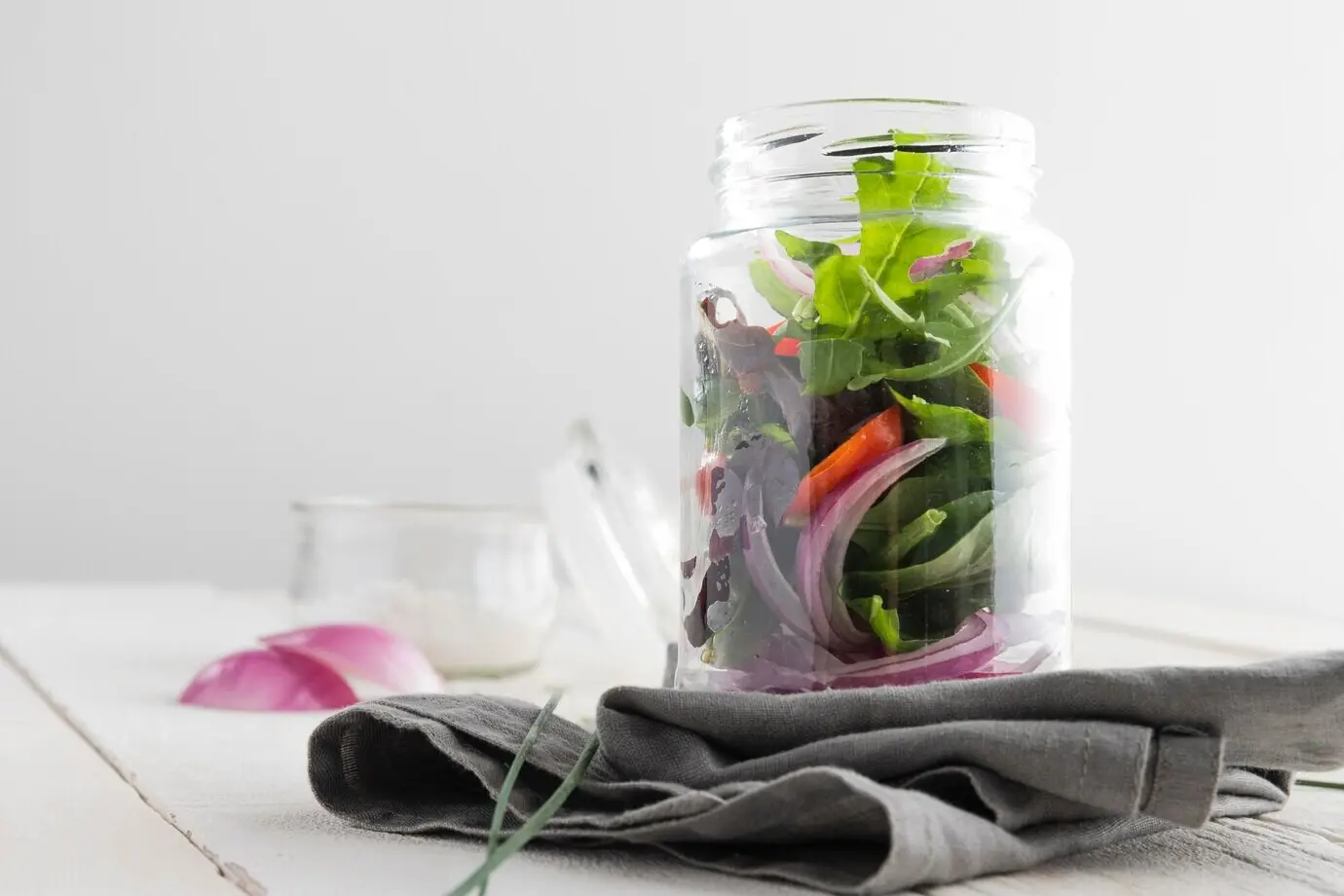
Choose jars with wide mouths for easy scooping and cleaning, and consider standardized sizes that stack neatly. Glass doesn’t retain odors and makes inventory visible at a glance. Use dissolvable labels for rotating grains, pulses, and snack mixes. A soft jar sleeve or tea towel prevents clinks in transit, while consistent lids streamline your pantry’s day-to-day workflow.
Cloth and Silicone: Featherweight Helpers
Organic cotton produce bags weigh almost nothing and hug leafy greens without bruising them. For liquids or saucy leftovers, silicone pouches seal securely and freeze flat. Keep a few bags nested inside each other for backup. After washing, dry thoroughly to prevent mustiness. Label weights on tags, and keep a compact foldable tote ready for spontaneous, waste-free detours.
Planning, Budget, and Nutrition Without Waste
Storing and Cooking for Lasting Freshness
Community, Sharing, and Everyday Wins
Container Libraries and Neighborhood Swaps
Create a simple container library from surplus jars, clearly labeled with sizes and suggested uses. Host a quarterly swap for jars, cloth bags, and kitchen tools. Add a cleaning station with vinegar and baking soda. These gatherings build trust, reduce barriers for newcomers, and turn practical problem-solving into warm, welcoming community rituals that outlast trends and marketing claims.
Talking With Shops, Kindly and Clearly
Approach staff during calm moments, thank them for refills, and ask what makes container use easiest. Simple signage and labeled scoops reduce friction for everyone. If a policy blocks reusables for certain items, respect it while proposing alternatives. Consistent gratitude and gentle feedback nurture long-term cooperation, encouraging more packaging-free options without confrontations or unrealistic, all-or-nothing expectations.
Track Progress and Cheer Small Steps
Keep a simple note on your phone listing what you now buy without packaging, plus the money saved. Photograph your pantry transformations to motivate future you. Celebrate the first refill, the hundredth, and the friends who joined. Share your favorite unpackaged discovery in the comments, subscribe for fresh ideas, and help others start with patience, humor, and heart.