
Unpackaged Staples vs. Prepackaged Alternatives: The Real Cost and Waste Story

Today we explore Cost and Waste Comparison: Unpackaged Staples vs. Prepackaged Alternatives, translating receipts, packaging weights, and pantry realities into practical decisions. You will learn how unit pricing, storage habits, and local recycling options shape your bill and your bin, with clear examples, relatable anecdotes, and doable next steps that respect budget limits, time pressures, and personal values around convenience, health, and environmental responsibility in everyday grocery choices.

Price Reality Check: What Unit Costs Really Reveal
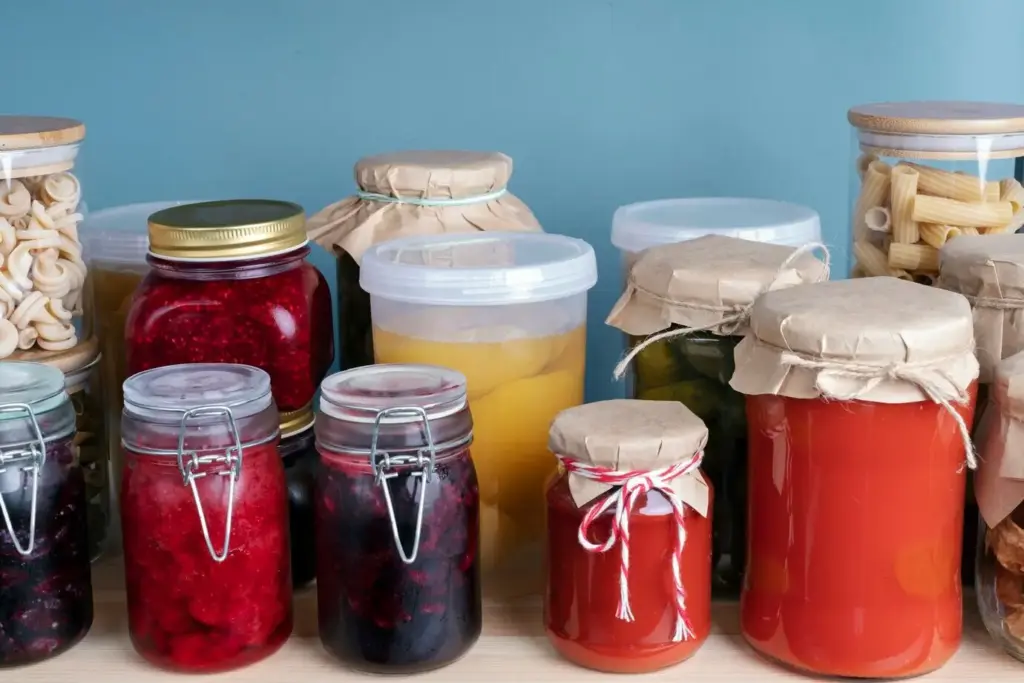
Calculating True Unit Price Without Distraction

Start by ignoring packaging graphics and scanning for the unit label, ideally price per kilogram or per ounce. If a store lacks clear labels, calculate by dividing price by net weight. Include tax where relevant. Track two or three trips to average out promotions. These simple calculations often reveal that smaller units hide larger markups and that unpackaged bins, when managed thoughtfully, deliver consistent savings over time.

Hidden Extras in Prepackaged Convenience

Start by ignoring packaging graphics and scanning for the unit label, ideally price per kilogram or per ounce. If a store lacks clear labels, calculate by dividing price by net weight. Include tax where relevant. Track two or three trips to average out promotions. These simple calculations often reveal that smaller units hide larger markups and that unpackaged bins, when managed thoughtfully, deliver consistent savings over time.

When Bulk Is Not Automatically Cheaper

Start by ignoring packaging graphics and scanning for the unit label, ideally price per kilogram or per ounce. If a store lacks clear labels, calculate by dividing price by net weight. Include tax where relevant. Track two or three trips to average out promotions. These simple calculations often reveal that smaller units hide larger markups and that unpackaged bins, when managed thoughtfully, deliver consistent savings over time.

Materials Matter: Plastic, Paper, and Composites

Thin multilayer films protect freshness but are rarely recyclable curbside. Paper boxes seem better, yet inner plastic liners complicate things. Glass is infinitely recyclable in principle, though heavy in transport. Refill containers, especially durable jars, shift impacts to longer lifespans. Understanding your city’s actual acceptance lists and contamination rules is critical, because perceived recyclability often differs from what trucks, facilities, and markets genuinely handle week after week.

Embodied Energy and the Weight of Empty Space

Prepackaged items frequently ship in visually appealing shapes that leave air gaps in cases, increasing logistics emissions per usable calorie. Bulk systems reduce redundant packaging and cube inefficiency, particularly for dense staples like rice and beans. While exact numbers depend on freight modes and distances, the combination of fewer disposable layers and better space utilization routinely lowers upstream impacts, especially when shoppers bring sturdy containers repeatedly without frequent replacements.

A Simple Home Audit That Changes Perspective

Try this: for two weeks, save empty staple packages in a separate bag. Log their materials, approximate weights, and volumes. Many households discover sleek pouches compress well but dominate by count, and cereal boxes fill bins with awkward shapes. When switching to refills, counts fall sharply. Even modest changes, like bulk oats and rice, can meaningfully shrink waste, making recycling easier, clearer, and less prone to overflowing between collection days.

Packaging Waste Footprint: Beyond the Bin
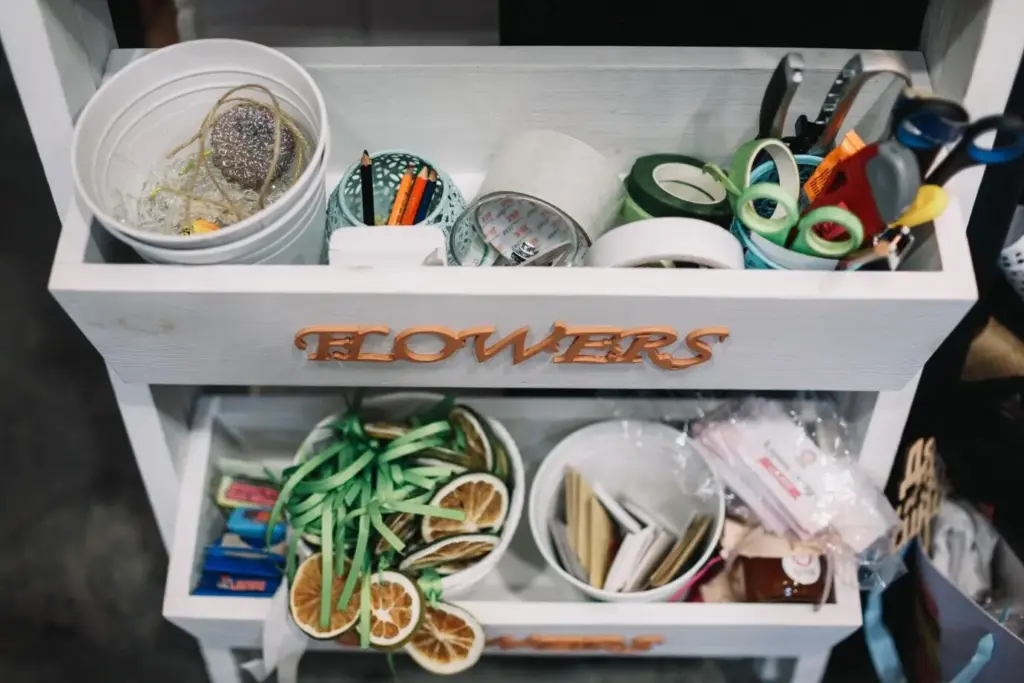
Household trash tells only part of the story. Packaging waste carries upstream energy, water, and emissions costs that are often invisible at checkout. By comparing film pouches, boxes with plastic liners, glass jars, and refillable containers, we can estimate how materials perform in local recycling systems, what contamination risks look like, and how design choices affect collection, sorting, and overall resource recovery rates that differ widely by region.

Smart Containers and Labeling that Actually Get Used

Choose airtight containers sized to your real consumption pace. Label purchase dates and target depletion dates on painter’s tape for painless updates. Transparent walls help you see levels at a glance. For humid climates, small silica packets or storing portions in the freezer add insurance. The easier your system is to maintain weekly, the more fully you capture savings without trading freshness or safety for lower prices.

Portion Planning Prevents Both Clutter and Spoilage

Before refilling, review recipes for the next two weeks and estimate realistic quantities of oats, rice, beans, and flour. Buy what fits that plan plus a light buffer, not a fantasy stash. Align container sizes with typical consumption to avoid half-bags lingering in corners. This disciplined loop—plan, purchase, cook, review—keeps shelves streamlined, meals predictable, and budgets resilient against waste-driven surprises that might otherwise erase the gains of bulk shopping.

Shelf Life Myths Versus Everyday Reality

Many staples last longer than expected if dry, cool, and protected from light. Whole grains and nut-heavy mixes go rancid faster; white rice and dried beans often remain usable for years with proper storage, though beans can need longer soaking. Trust smell and taste within safety guidelines, rotate older stock forward, and freeze high-fat items. Practical knowledge replaces fear-based overbuying and needless discarding, preserving both savings and confident cooking routines.

Convenience and Control: Time, Access, and Choice
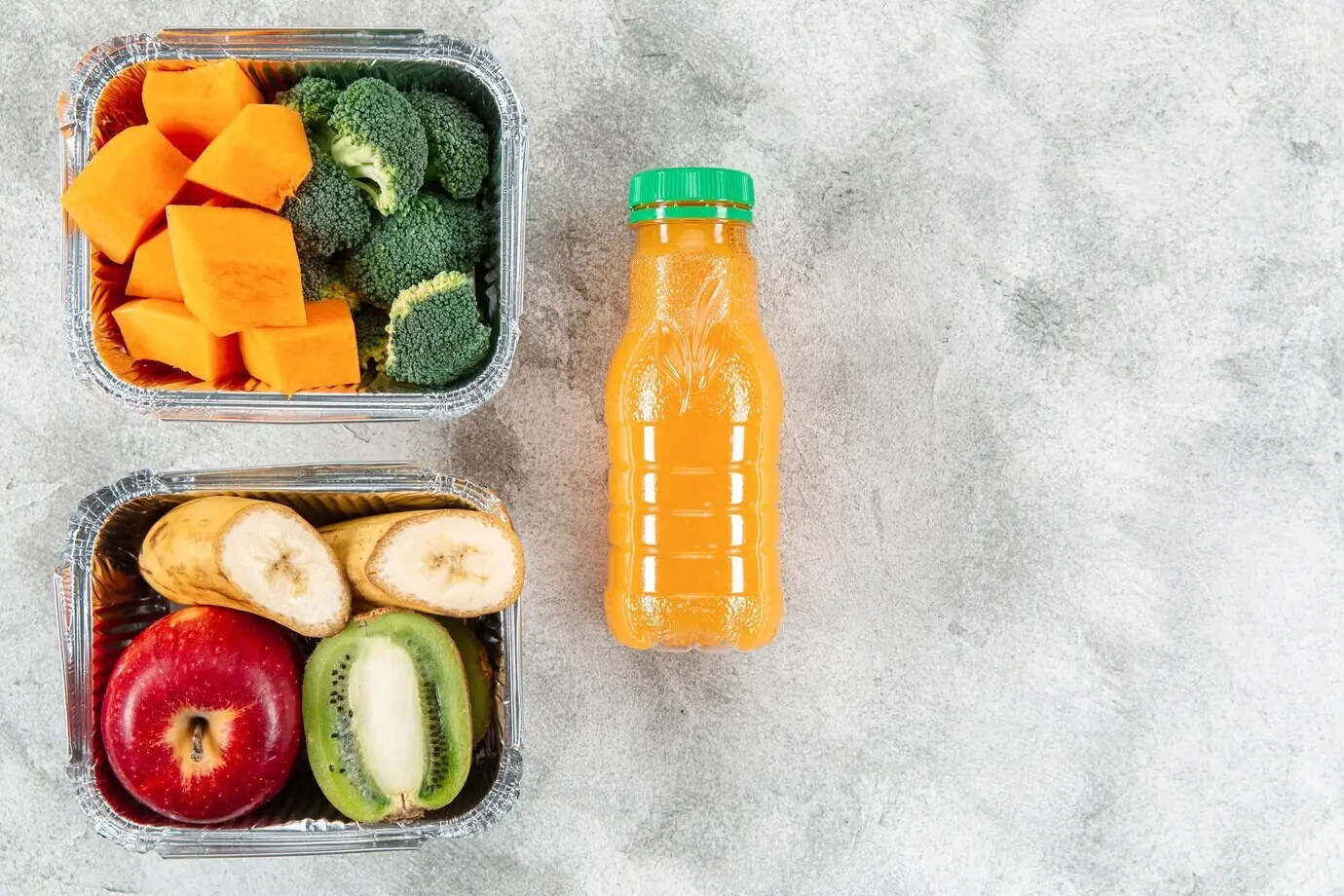
Convenience is personal. Some communities enjoy thriving refill stations; others rely on supermarkets or warehouse clubs. The right mix balances travel time, opening hours, container prep, and checkout speed against cost and waste goals. By mapping your typical week, grouping errands, and establishing a lightweight refill routine, you can transform refilling into a quick, predictable habit while keeping the door open to prepackaged options when schedules become unexpectedly tight.

Marketing Cues and the Illusion of Superior Value

Shiny seals, health buzzwords, and limited editions can signal quality even when ingredients match simpler alternatives. Train your eye to separate genuine certifications from decorative badges. Compare unit costs and ingredient lists before letting design win. A calm checklist—need, unit price, storage fit—breaks the spell, channeling attention onto real value. Over time, these micro-decisions rebuild confidence and reduce expensive habits disguised as harmless, cheerful, and supposedly essential grocery treats.

Lists, Limits, and Checkout Calm

A written plan protects against aisle temptations. Set a pre-commitment: number of items, budget ceiling, and one flexible slot for curiosity. In bulk stores, arrive with container sizes matched to recipes. In supermarkets, keep a running tally on your phone. These simple boundaries tame decision fatigue, prevent duplicate bags hiding in cupboards, and deliver steadier spending patterns that honor your larger goals without draining joy from everyday shopping.

Your Action Toolkit: Calculate, Track, and Share

Good intentions flourish with simple tools. A pocket calculator, scale, and quick waste log transform guesses into insight. By measuring unit prices, tracking empties, and reviewing pantry flow monthly, you can keep the parts that work and retire the rest. This toolkit supports flexible choices, enabling you to mix unpackaged refills and prepackaged standbys intelligently, in service of your budget, time constraints, and the environmental outcomes you care about most.
Tofikilozazimufi
Privacy Overview

This website uses cookies so that we can provide you with the best user experience possible. Cookie information is stored in your browser and performs functions such as recognising you when you return to our website and helping our team to understand which sections of the website you find most interesting and useful.