Pack Less Waste, Bring More Flavor

Today we’re diving into bringing your own containers to the deli, bakery, and butcher counter, showing how this small habit cuts waste, preserves freshness, and sparks better conversations with staff. You’ll learn container choices, etiquette, safety, and confident scripts, plus inspiring stories and simple steps to start today.

Why It Matters Today

Single-use packaging feels convenient until you tally the cost to your wallet, pantry space, and planet. Reusable containers at deli, bakery, and butcher counters reduce plastic, prevent soggy leftovers, and keep flavors intact. They also nudge shops to support smarter practices. Start with one container, then build a simple kit. Share your wins, ask questions, and invite your local store to join you. Collective small changes rewrite everyday shopping in surprisingly joyful, practical ways.

Choosing Smart Containers

Glass, Steel, and Modern Silicone

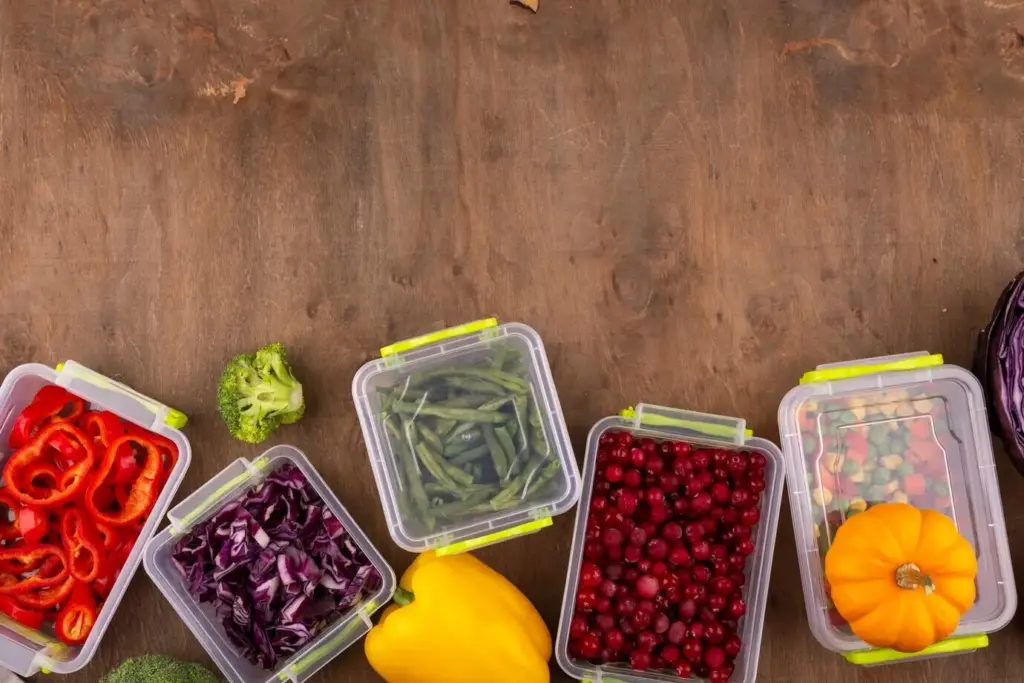
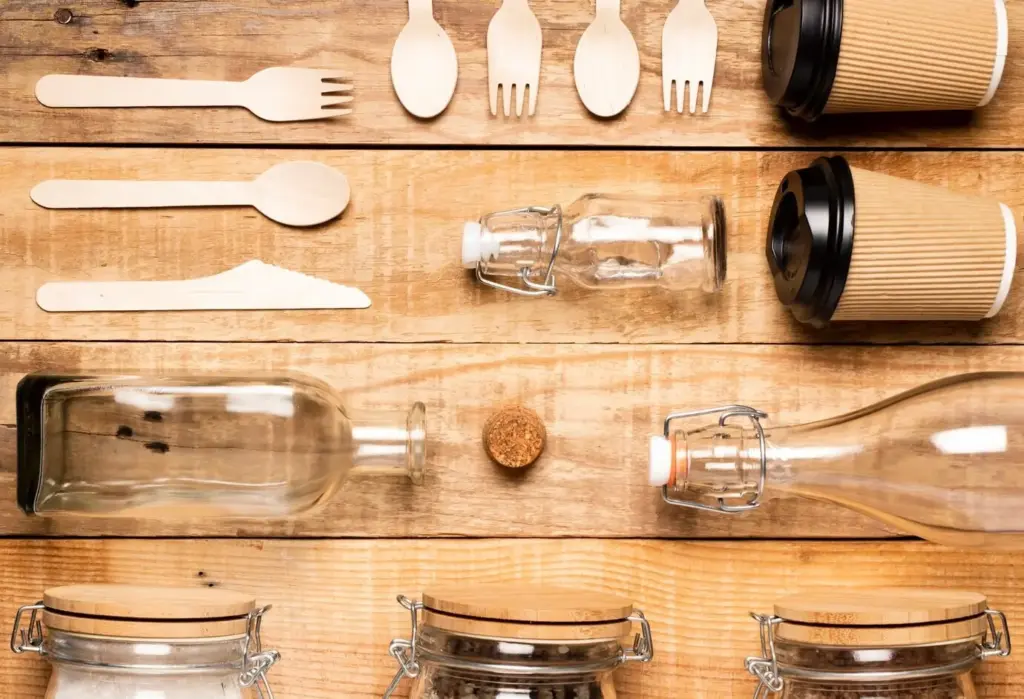
Choose materials for the job. Glass offers clarity and reheating flexibility for deli soups or saucy salads. Stainless steel shines when weight and durability matter at the butcher counter. Silicone bags excel for rolls, cookies, and snacks, collapsing when empty. Avoid lingering smells by rotating uses and airing lids after washing. Mix a few shapes to cover slices, steaks, and pastries. A balanced set prevents overpacking and keeps your bag light, organized, and ready.

Sizes That Match the Counter

Think in volumes you actually buy. A low, wide container fits layered sliced cheeses; a medium, deeper one suits chicken salad; a tall, narrow tub handles sausages. For the bakery, protect flaky tops with taller lids or removable inserts. For the butcher, choose sturdy walls and ample headroom. Carry two smalls instead of one large to separate flavors. The goal is predictable, comfortable fits that help staff portion quickly without crushing texture or crowding the scale.

Lids, Seals, and Zero-Spill Confidence

A good lid saves the day. Seek gaskets that seat easily, clips you can operate one-handed, and seals that survive a bumpy bus ride. Test leak resistance at home with water, then label successful pairs to avoid mismatches. Keep one spare universal wrap for overflow. If you freeze leftovers, leave headspace and choose lids rated for temperature swings. Confidence comes from repetition and a few smart backups, not carrying your entire kitchen everywhere you shop.

Cleanliness, Safety, and Health Codes

Clean containers build trust. Wash with hot water, let them air-dry completely, and carry them closed. Many counters will accept them if they look spotless, smell neutral, and can be placed on paper. Regulations vary: some shops may transfer food using a deli sheet or ask to tare first. Respect the policy and offer alternatives. Clear labels, allergy notes, and calm communication keep everyone safe. When in doubt, ask courteously and adapt without friction.

Presenting Containers Staff Trust

First impressions guide decisions. Open your container confidently, showing a dry, gleaming interior. Place the lid aside clean-side up, and avoid setting personal items on the counter. Offer it after the scale is zeroed, or ask for tare weight first. A friendly greeting and a quick explanation—“I wash and sanitize these after every trip”—reassures busy clerks. Trust grows with consistency. If a container looks questionable, switch to a backup and maintain rapport.

When Paper Liners Make Sense

Some shops prefer a barrier between your container and their scale or prep area. Embrace the deli sheet: it respects hygiene standards and makes transfer effortless. For sticky pastries or marinated cuts, a liner protects textures and simplifies cleanup. You still avoid rigid packaging, while staff maintain confidence. Ask, “Would you like to line it?” and thank them for the extra step. A tiny compromise preserves your goals and keeps service moving quickly.

Scripts That Win Smiles

Polished phrases calm busy moments. Try, “Could you tare this, please?” or “I brought a clean container; would a liner work for you?” Follow with, “Thank you for saving the packaging.” If refused, pivot gracefully: “No worries, I appreciate you checking.” People remember kindness under pressure. Over time, you’ll develop friendly shorthand with staff. That connection speeds service, reduces misunderstandings, and makes returning a pleasure for everyone waiting, working, and enjoying great food.

Tare Weights Without Tension

Tare early, avoid confusion. Hand over the empty container with a simple request, then confirm the zero before ordering. If the scale can’t tare, ask to weigh the container first and subtract the number. Keep a small card to jot tare weights for repeat visits. Accuracy matters for fairness and trust. A few calm seconds here prevent awkward discussions later and help staff feel confident that your routine respects their process and standards.

Success Stories and Real-World Lessons

The Butcher Who Cheered

A customer arrived with a sturdy steel container, pre-chilled to keep sausages safe on a hot day. The butcher weighed it, lined it, and portioned with precision. Weeks later, they swapped recipes for grilling nights. That small rapport turned into gentle policy shifts—encouraging liners, tare training, and signage welcoming clean containers. One reliable shopper sparked a micro-culture of care, proving that respectful reuse strengthens relationships along with flavor and food safety.

Bakery Croissants That Stayed Flaky

A weekend regular tested everything: paper bags, pastry boxes, even foil. Flakes suffered, tops collapsed, and butteriness dulled. Then came a tall, light tin with soft parchment. The baker slid croissants vertically, lids barely touching. At home, layers sang. The customer posted photos, tagged the shop, and friends followed suit. Sales rose, waste fell, and the baker began keeping a stack of liners ready. Sometimes, delicious proof persuades more than any lecture ever could.

Deli Salads Without the Slosh

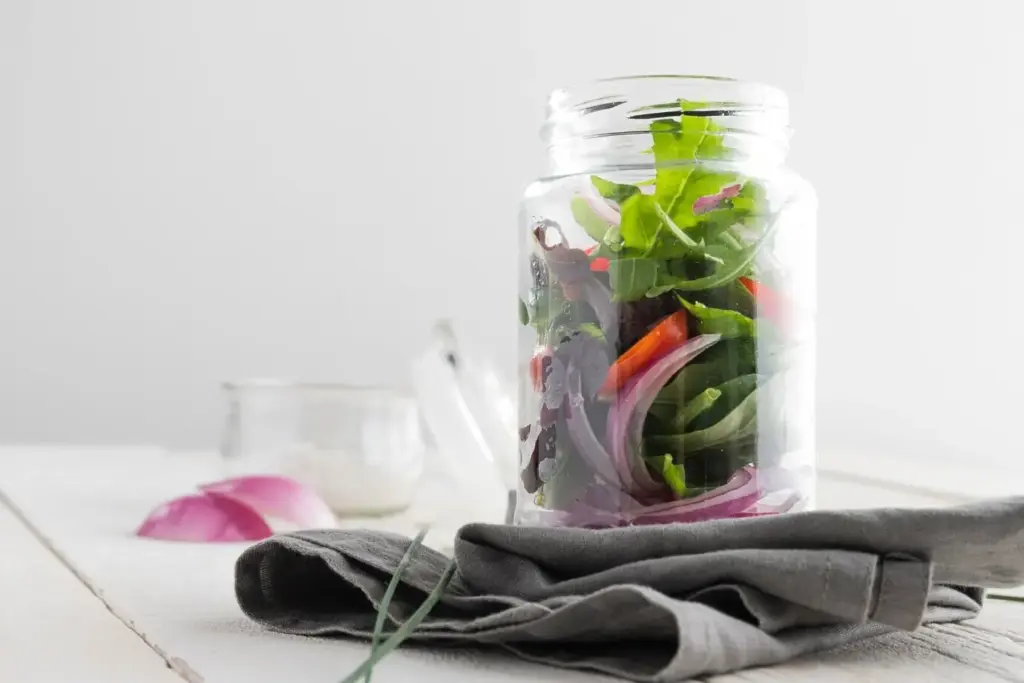
Leafy greens drown in shallow lids and oily drips. A shopper switched to a leakproof glass bowl with a wide mouth for effortless scooping. The clerk tared it, lined it, and mixed gently. Commuting was calm, desks stayed clean, and lunch felt composed rather than chaotic. The deli highlighted the win on a chalkboard: “Bring clean containers—ask us how!” That tiny nudge normalized reuse, inviting curious newcomers to try without fear or fuss.

Getting Started Today
You don’t need a perfect kit to begin. Pick two containers you already own, wash them well, and practice opening, closing, and labeling at home. Draft a simple shopping list and a couple of polite phrases. Visit during a calm hour and celebrate any progress. Rinse promptly after use and set a weekly wash routine. Share your approach with a friend, post a photo, and subscribe for more guides. Momentum grows from ordinary, repeating actions.
Tofikilozazimufi
Privacy Overview

This website uses cookies so that we can provide you with the best user experience possible. Cookie information is stored in your browser and performs functions such as recognising you when you return to our website and helping our team to understand which sections of the website you find most interesting and useful.