
Package-Free Essentials Through Food Co-ops and CSAs
Today we explore using food co-ops and CSAs to source package-free essentials, turning everyday shopping into a community effort that slashes waste and boosts local farms. Learn how to find bulk staples, arrange refills, and build resilient, neighbor-powered supply chains that nourish your table, respect workers, and minimize single-use plastics across your weekly routine with practical steps, inspiring stories, and confident guidance you can apply immediately.
How co-ops simplify bulk and refills
Co-ops aggregate purchasing for members, negotiating access to large-format goods that can be dispensed into your own containers. You’ll often find bulk grains, oils, nut butters, herbs, soaps, and detergents set up for easy refilling. Staff and volunteers share tips on tare weights, sanitation, and safe dispensing, so you can reliably restock essentials without purchasing another jar or bag. The result is predictable savings, less packaging, and deeper relationships with regional suppliers.
CSA structures that reduce waste
Community Supported Agriculture programs typically offer weekly or biweekly shares with optional add-ons like eggs, bread, or pantry items. Many farms collaborate with co-ops or pickup hubs that welcome reusable totes, returnable egg cartons, and minimal produce wrapping. Clear communication makes swaps and special requests possible, replacing plastic clamshells with bulk-style alternatives. This steady rhythm of seasonal abundance helps you plan meals, freeze extras, and avoid impulse packaging from conventional stores.
Why community scale matters
When neighbors coordinate purchasing, containers circulate, portions are right-sized, and local workflows adapt to real demand. This scale makes it feasible to implement deposit jars, refill stations, washable liners, and standardized bulk labeling. It also builds feedback loops, where members suggest improvements like spice refills or fragrance-free cleaners. Over time, packaging-free norms become convenient habit rather than sacrifice, supported by shared equipment, pooled knowledge, and practical trust in familiar producers.
What You Can Get Without Packaging
A surprising range of everyday essentials can be sourced without disposable packaging through co-ops and CSAs. Think grains, beans, flours, spices, teas, coffee, nuts, dried fruit, produce, dairy in returnables, bread in cloth, and even body care or cleaning refills. With a few sturdy containers, you can cover breakfast oatmeal, weeknight soups, baking projects, salad dressings, and laundry day, all while skipping plastic film, composite bags, and hard-to-recycle caps.

Finding, Joining, and Navigating With Confidence
Whether you are brand new or returning after a while, discovering the right co-op or CSA is straightforward with local directories, farmers markets, and community boards. Speak with staff, volunteers, and growers about packaging-free practices, refill availability, and pickup options. A brief tour often reveals bulk selection, container policies, and cleanliness standards. With a little preparation, you can join, schedule a pickup, and confidently bring the right jars, bags, and bottles the very first week.
Budget, Value, and Fair Access
Package-free does not have to mean pricey. Bulk buying cuts unit costs, while CSA shares offer seasonal abundance at predictable prices. Many co-ops and farms provide sliding-scale memberships, community funds, or work-trade opportunities that keep essentials accessible. Smart planning, meal prep, and preserving techniques protect your budget by reducing spoilage. Over time, fewer impulse buys and disposable packaging add up, making community-supported sourcing both financially sensible and environmentally meaningful for households of many sizes.

Containers, Safety, and Storage That Work
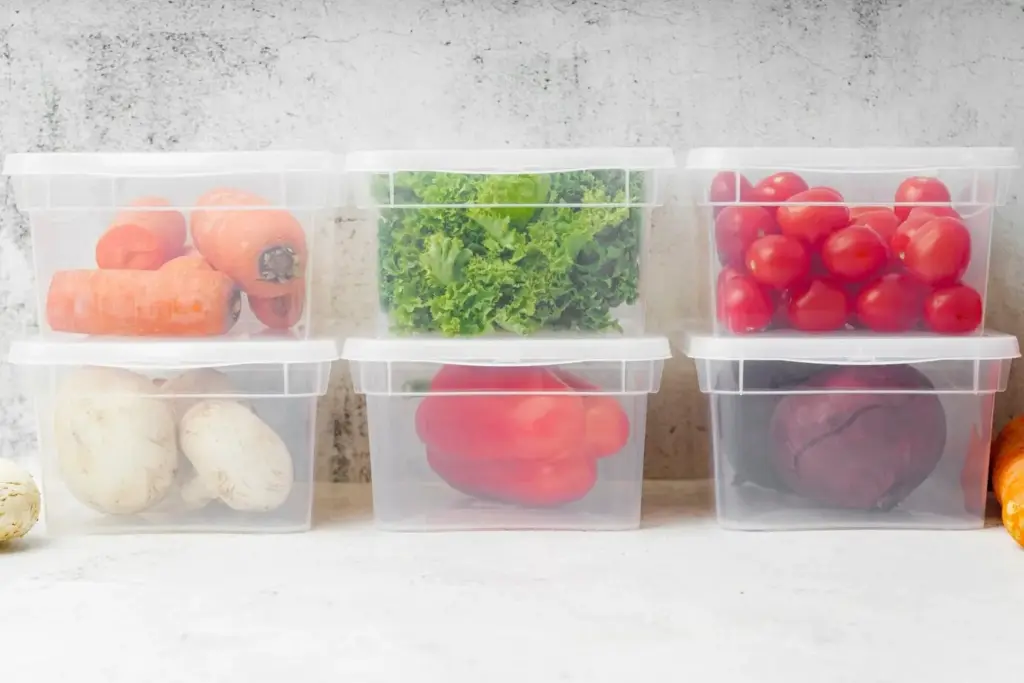
A reliable container kit turns good intentions into effortless practice. Choose durable jars for dry goods, lightweight bags for produce, and leakproof bottles for liquids. Keep a marker and labels for tare weights and dates. Understand your co-op’s sanitation policies and allergen protocols to refill safely. At home, create zones for decanting, deep storage, and quick-grab staples. The goal is smooth flow from pickup to pantry, minimizing mess while maximizing freshness and convenience.

Stories, Momentum, and Your Next Steps
Real people make this work inspiring. Volunteers, farmers, and members share small breakthroughs that snowball into lasting habits, like swapping plastic-wrapped bread for cloth-bag pickups or organizing a deposit-jar loop for yogurt. Your next move can be small yet powerful: pick one staple to refill this week, or visit a CSA pickup to observe. Share your wins, ask questions, and subscribe for more how-tos. Together, we grow solutions that scale with kindness and consistency.