Confident, Package-Free Shopping in the Bulk Aisle

Today we dive into bulk aisle strategies for buying grains, legumes, and spices without packaging, transforming routine grocery runs into a satisfying ritual of thrift and sustainability. We will prep containers, record tare weights, read PLUs with confidence, and practice scoop etiquette that keeps bins clean. Expect practical math for price-per-serving, storage tricks that defeat pantry pests, and spice tactics that keep aroma alive. Bring curiosity, a couple jars, and leave with flavorful, waste-light meals.

Preparing Before You Shop

Great results start at home: choose containers that seal tightly, weigh them empty to record tare, and sketch a flexible list that prioritizes staples you’ll truly cook this week. Planning reduces impulse scoops, prevents stale leftovers, and makes checkouts smoother. We will also discuss quantity guidelines, safe moisture limits for jars, and how to align bulk purchases with your weekly cooking rhythm so every grain, bean, and spice earns its place and never lingers forgotten.

Containers That Actually Work

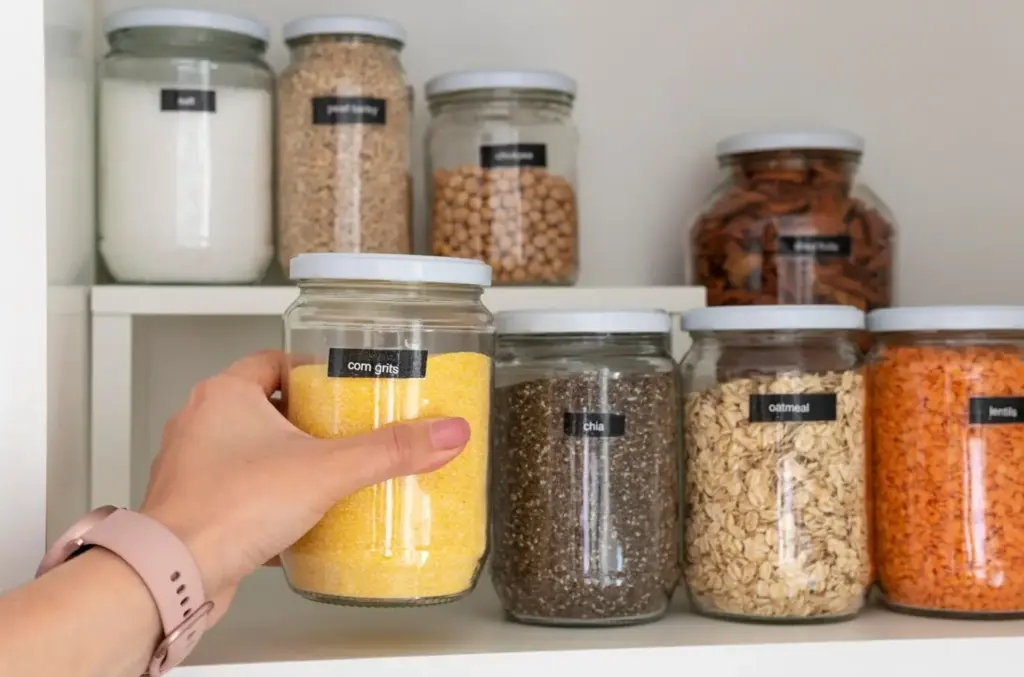
Glass jars, stainless canisters, and sturdy cloth or silicone bags each shine in different situations. Favor wide mouths for scoops, airtight lids for aroma, and clear walls for quick checks. Avoid flimsy drawstrings that leak flour, and keep one spare lightweight bag for unexpected finds. If your store allows, bring a marker for PLUs and a small funnel; both speed things up, reduce spills, and keep ingredients fresher from aisle to kitchen.

Know Your Tare Like a Pro

Write empty weights on lids or tags before leaving home, ideally in grams for accuracy, though ounces work if scales match. Snap a photo of each tare in case ink smears. At checkout, confidently share those numbers to avoid paying for glass or steel. This single habit saves real money, shortens lines, and reassures staff. Over months, the savings and smooth flow add up, turning mindful preparation into predictable, stress-free shopping.

Smart Bulk Lists and Batch Plans

Organize by zones, not recipes: grains together, legumes together, spices together, plus one experimental slot for curiosity. Link each item to at least two meals you will actually cook this week. Estimate portions by cups-per-person to avoid overbuying. A short, intentional list transforms the aisle into a focused mission, minimizing cost, packaging, and decision fatigue while preserving space for delightful discoveries that genuinely fit your routine and dietary needs.

Navigating the Store Like an Insider

From PLU numbers to scoop etiquette, small details shape a sanitary, efficient trip. Start with high-turnover bins for freshness, glance at allergen notes, and never mix scoops between bins. Ask for a quick restock when levels look low; staff appreciate the heads up. One reader, Maya, cut checkout time in half by mapping scale locations and noting store policies. Move with calm rhythm, reduce waste, and leave smiles behind you.

Reading Bins, PLUs, and Signs

Treat signs as a treasure map. Note origin, organic status, and rotation dates if posted. PLUs are your best friend for fast checkout; jot them on jar lids or reusable tags immediately. Compare prices per unit to similar bins, and scan for supplier names to gauge reliability. With practice, those boards reveal freshness, quality, and value at a glance, guiding smarter scoops and fewer second guesses under bright store lights.

Sanitary Scooping and Cross-Contact Awareness

Clean hands, designated scoops, and steady movements protect everyone. Keep each scoop with its bin, and avoid letting jars touch food contact zones. If you have allergies, ask where cross-contact risks are greatest, and prefer sealed gravity hoppers. When you spot messes, alert staff—helpfulness builds trust. A few patient seconds prevent contamination, reduce waste, and keep aromas true, especially in finely milled flours and potent spices that capture stray scents easily.

Grains and Legumes: Quality, Freshness, and Value

Spot bright, intact grains, minimal dust, and consistent color. Beans should be plump and smooth, not wrinkled like very old stock. Compare price-per-serving, not just price-per-pound, to judge fairly versus packaged goods. Ask how often bins rotate and who sources the crop. When sampling is permitted, bite a kernel or rub between fingers to check aroma and oils. These habits guard taste, nutrients, and savings with every scoop returned to your kitchen.

Spices Without the Plastic

Spices fade when exposed to air, light, and heat, so buy small amounts more often and store in airtight, opaque containers. Prefer whole seeds and pods, then grind just before cooking for a lively burst of volatile oils. Label purchase dates and keep jars near the stove but away from direct heat. Curate a lean core set and rotate seasonal additions. Your meals will taste brighter while clutter and packaging fall gracefully away.

Storage, Labeling, and Pest Prevention
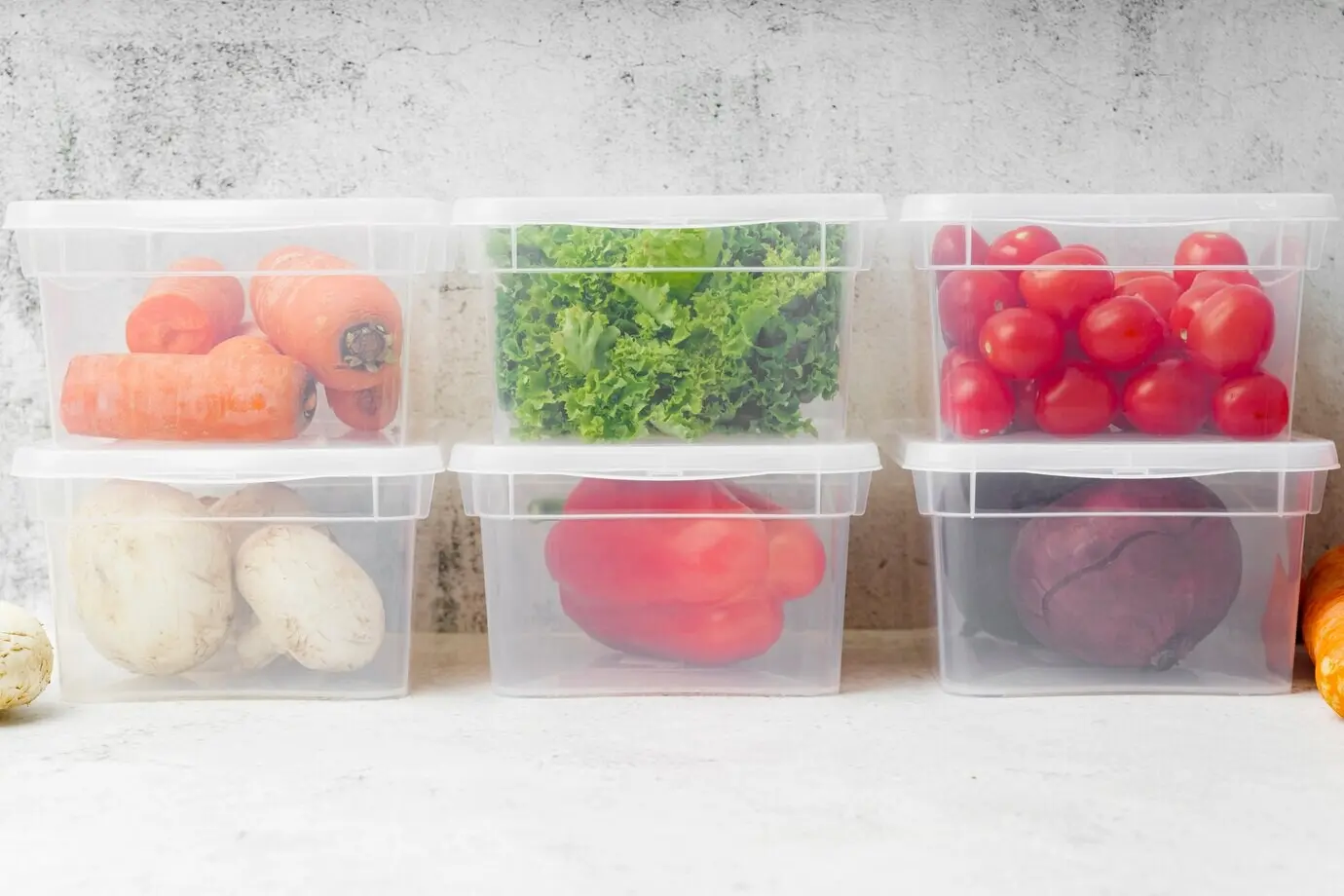
Clean, dry, airtight storage separates thriving bulk pantries from frustrating messes. Label jars with name, purchase date, cooking time, and any allergen notes. Use smaller containers to limit oxygen exposure, and freeze whole grains or flours for several days to halt insects. Practice first-in, first-out rotation and keep a pantry log for reorders. Consistent systems protect flavor, reduce waste, and calm weeknights because decisions are made once—and followed easily thereafter.

Sunday Prep That Actually Sticks

Prep should feel supportive, not exhausting. Cook a pot of beans, a pot of grains, and a versatile sauce that leans spicy, herby, or creamy. Portion into clear containers with labels, and stack them where you see them. Midweek you will simply assemble, reheat, and season. This rhythm protects energy, stays flexible, and gives bulk ingredients a guaranteed path to the table without frantic last-minute decisions or takeout detours.

One-Pot Templates for Weeknights

Learn three adaptable bases: a spiced pilaf, a brothy bean stew, and a creamy lentil curry. Swap in whatever grain, legume, and seasonal vegetables you have. Build flavor with aromatic starts and a quick spice bloom in oil. These templates welcome leftovers and minimize dishes. Keep broth cubes, citrus, and a dependable finishing fat ready. With practice, weeknights become calm, affordable, and reliably delicious, driven by the jars you filled intentionally.

Flavor Ladders: Layering Spices With Confidence

Start with whole seeds warmed in oil, add ground spices for depth, then finish with a bright note like lemon zest, vinegar, or fresh herbs. This ladder creates dimension without excess heat or salt. Taste after each step and adjust. Write tiny notes on jar lids to remember sweet spots. When your senses lead, measurements relax, and bulk spices become a creative playground instead of an intimidating wall of choices.

Community, Ethics, and Waste Reduction Wins

Package-free shopping connects you to farmers, co-ops, and neighbors who share your values. Ask stores about origin transparency and fair labor. Support refilleries that reinvest locally. Track your trash volume and monthly food spend to see progress. Host jar-swap meetups or spice-trading potlucks. Comment with your favorite bins, recipes, and questions. Collective momentum compounds impact, making the aisle more accessible, diverse, and welcoming, while nourishing budgets and the planet at the same time.

Co-ops, Refill Stores, and Farmers’ Markets

Explore community-owned co-ops for strong sourcing standards, refill shops for oils and cleaning goods, and markets for seasonal staples that complement bulk bins. Chat with vendors about harvest timing and storage advice. Loyalty builds better options over time. Share recommendations for stores that allow reusable containers and offer clear ingredient labels. Together we map supportive places, strengthen local economies, and make package-free living easier for newcomers who want trustworthy guidance and encouragement.

Tracking Your Waste and Savings

Measure what matters. Keep a simple tally of empty packaging avoided and monthly grocery costs. After a few billing cycles, compare against old receipts to celebrate progress. Seeing numbers rise and fall turns vague intentions into motivating feedback. Share your wins with friends or in the comments; their ideas may spark new habits. The combination of financial clarity and visible environmental benefit keeps momentum strong through busy seasons and changing routines.

Invite Others: Potlucks and Jar Swaps

Community deepens commitment. Host a potluck where every dish showcases a bulk ingredient and share the recipe on cards for guests to reuse. Organize a clean-jar swap or spice-exchange to prevent extra purchases. Beginners learn by tasting and asking questions in a relaxed setting. These playful gatherings spread skills, reduce waste, and help neighbors discover dependable bins, creative blends, and practical containers that make everyday, package-free cooking feel friendly and inspiring.
Tofikilozazimufi
Privacy Overview

This website uses cookies so that we can provide you with the best user experience possible. Cookie information is stored in your browser and performs functions such as recognising you when you return to our website and helping our team to understand which sections of the website you find most interesting and useful.