
Market Day Without the Trash: Fresh Eggs and Produce, Lasting Habits
Today we explore zero-waste farmers’ market shopping for produce and eggs, celebrating delicious abundance without disposable clutter. You’ll learn practical packing tricks, vendor-friendly etiquette, safety know-how, and inventive cooking ideas that honor every leaf, shell, stem, and peel while building community connections and confidence with each joyful, waste-light purchase.
Prep Before You Go: Plan, Pack, and Set Intentions
A smooth, low-waste market morning begins at home. Outline meals, note portions, and choose a realistic budget to avoid overbuying. Pack containers suited to your list, check stall hours, and bring kindness and patience. Preparation reduces impulse packaging, protects fragile items, and makes interactions with farmers easier, clearer, and genuinely enjoyable for everyone.
Assemble a simple kit: stackable containers for berries and tomatoes, a sturdy reusable egg carton, breathable produce bags, damp towels for greens, a couple jars for loose items, and a foldable crate. Keep a pencil, notepad, and small scale or measuring scoop to verify amounts without using single-use packaging or guessing volumes you cannot carry.
Check what’s in season to guide recipes and reduce wasteful substitutions. Plan flexible dishes—frittatas, soups, grain bowls—that welcome varying vegetables and egg sizes. This adaptiveness means you can embrace a great deal on imperfect carrots or duck eggs without scrambling for packaging, because your containers and menus are already prepared to pivot gracefully.
Arrive early for best selection and calm conversations, or come late for potential discounts on seconds. Consider heat: pack an insulated tote and a small ice pack to protect eggs and delicate greens. Decide your stall order beforehand, minimizing backtracking and handling that can crush produce, spill containers, or tempt you toward vendor-offered plastic.

Containers That Respect Produce and Eggs
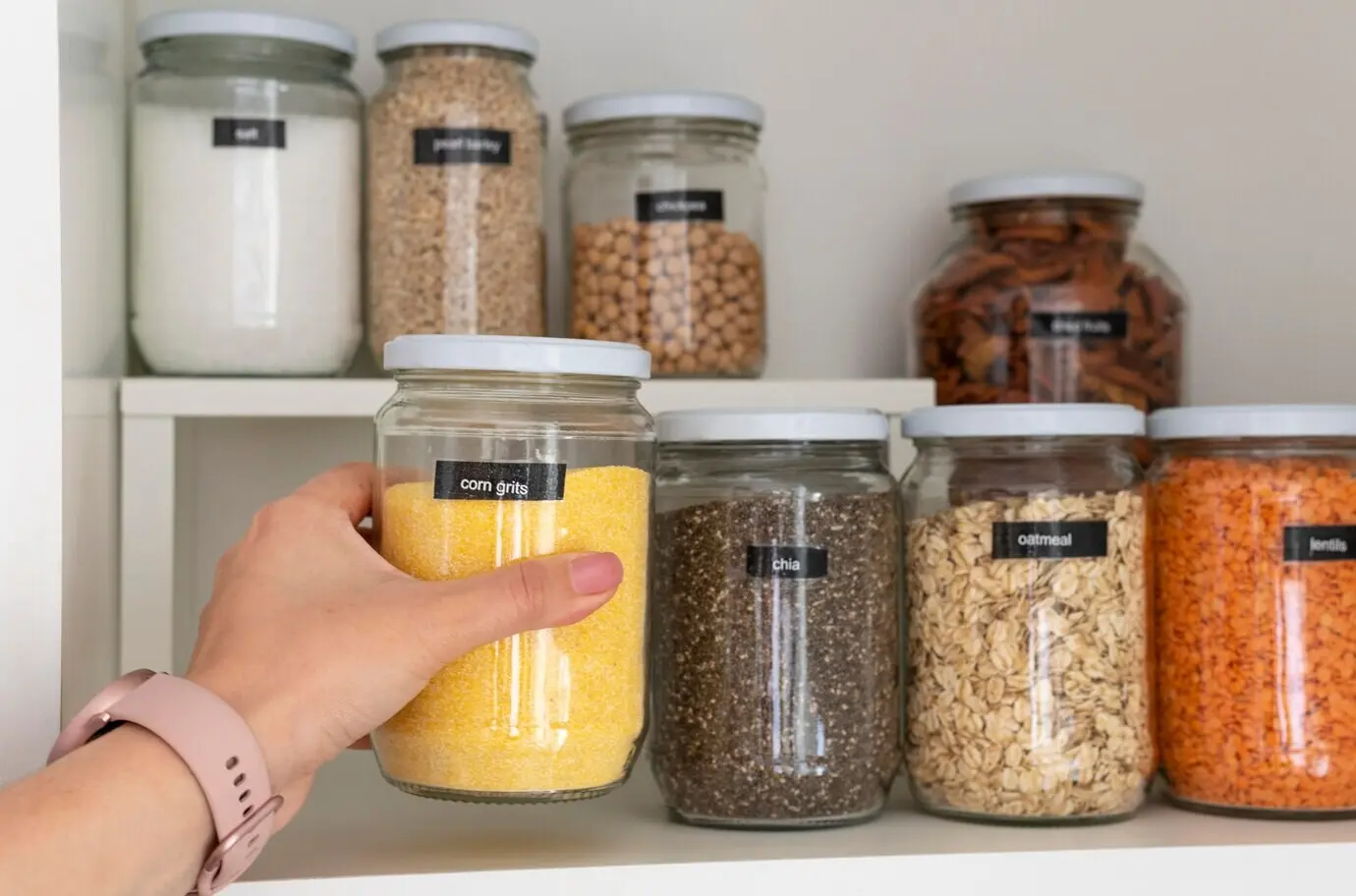
Thoughtful containers protect freshness and eliminate disposables. Breathable bags keep greens crisp, rigid boxes shield fragile fruit, and a robust carton safeguards eggs from point-of-sale to refrigerator. Choose materials you already own, prioritize repairable items, and label containers by use to streamline conversations so vendors understand your intentions and feel comfortable refilling them.
Conversations That Build Trust With Farmers
Friendly, respectful dialogue unlocks low-waste possibilities. Farmers often accommodate container transfers, pre-orders, or bulk eggs when asked kindly. Share your reasons succinctly, thank them, and pay promptly. Clear communication reduces delays, shows you value their time, and may inspire stallwide packaging tweaks that benefit other shoppers and the stall’s bottom line over time.
Lead with gratitude, then ask whether they can fill your carton, weigh greens in your bag, or pour berries into your box. Offer to tare your container beforehand. If they cannot, accept gracefully. Consistent, courteous requests show demand for reusables, encouraging vendors to test systems that protect food safety while cutting recurring packaging costs.
If you use many eggs weekly, ask about bulk pricing and pickup using your sturdy cartons. Some farmers welcome advance messages to set aside fragile tomatoes or seconds for sauce. Pre-orders reduce stall congestion and packaging uncertainty, letting them plan harvest sizes accurately and you arrive confident, organized, and free from last-minute plastic workarounds.
Invite guidance: should eggs remain cool today, or can they handle the walk home in mild weather? Which greens need immediate washing, and which should stay dry? Farmers’ insights ensure your containers and handling match their post-harvest routines, protecting quality while keeping everything safe, compliant, and consistent with the farm’s careful standards.
Heavy to Light, Bottom to Top
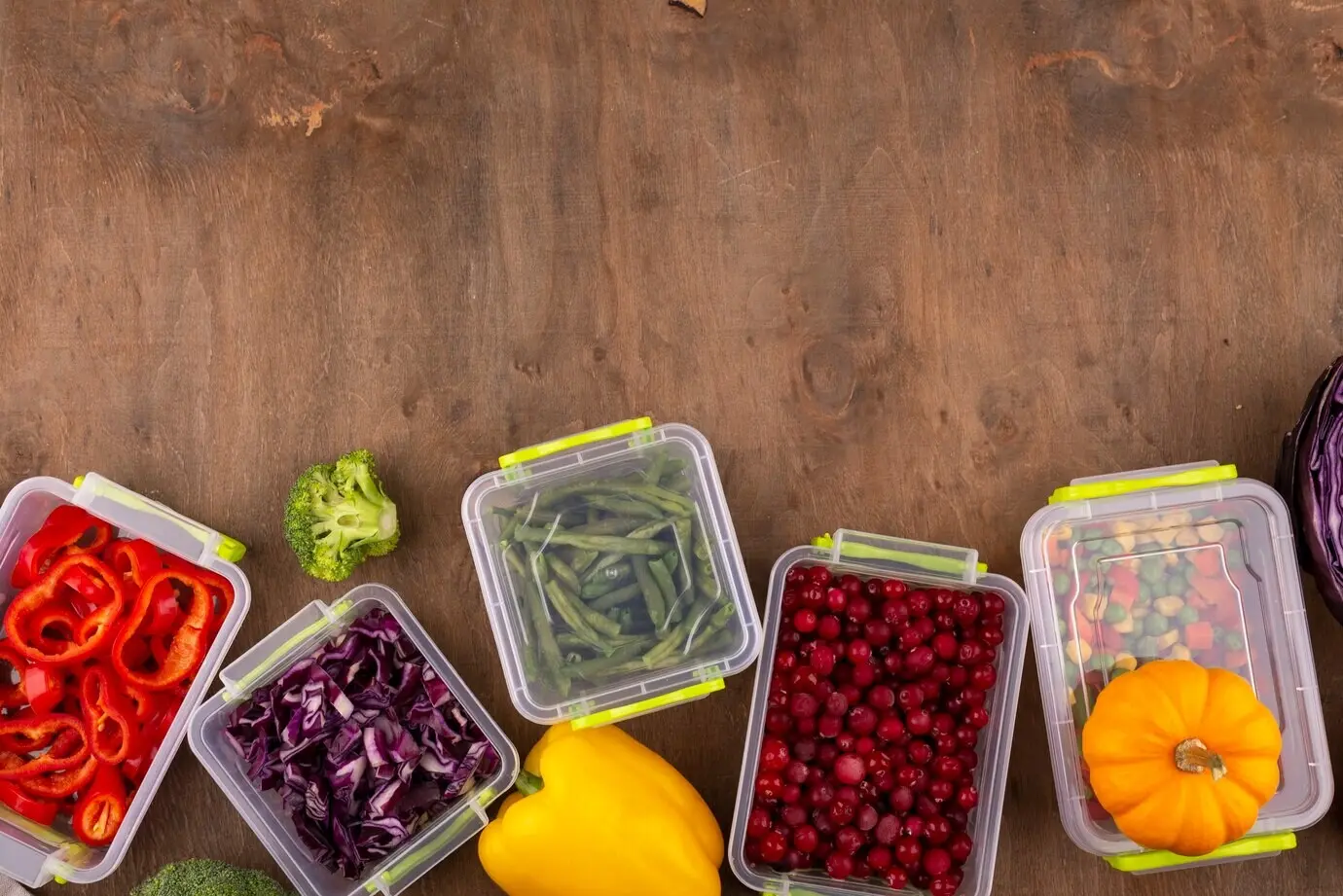
Root vegetables, squash, and onions belong at the base of your crate or bag. Midweight items—apples, cucumbers—sit next. Finally, tomatoes, berries, and eggs get a safely cushioned top spot. This simple stacking habit dramatically cuts damage, meaning you preserve value, avoid unexpected plastic backups, and arrive home with pristine, recipe-ready ingredients.
Keep Delicate Items Cool and Quiet
Warmth and jostling are enemies of greens, berries, and eggs. Use an insulated tote or shaded side of your basket, and slot rigid boxes so they cannot slide. If you pause for coffee, set your bag upright and still. Minimizing motion and heat keeps textures lively and shells strong without any single-use cooling packs or wraps.
Weighing and Paying Without Extra Bags
Offer your container before the farmer weighs, or ask for the tare to be subtracted. Keep small bills handy to avoid delays. When lines grow, be ready with your containers opened, labeled, and steady. Smooth transactions reassure vendors that reusables can be quick, accurate, and sanitary, building acceptance for the next customers who try it.
Home Care: Safe Storage Without Plastic
Once home, extend freshness with simple, packaging-light routines. Store eggs pointed end down in their carton on a refrigerator shelf, not the door. Wrap greens in a damp towel inside a breathable bag. Keep ethylene-sensitive produce away from apples. Gentle habits reduce waste, preserve nutrients, and honor the labor that brought food to your table.
Egg Safety and Flavor Tips
Fresh eggs often carry a protective bloom; avoid washing until just before cooking, unless your local rules require otherwise. Refrigerate for consistency, keep them level, and note dates on the carton. If testing freshness, try the float test in a bowl of water. Stable temperatures safeguard texture, yolk height, and taste without relying on disposable padding.
Crisp Greens Without Clamshells
Rinse sturdy greens, spin them dry, then wrap loosely in a damp towel and slip into a breathable bag. For tender herbs, place stems in a small jar of water, bag loosely overhead, and refrigerate. These reusable setups mimic humidity control, preventing slime and wilt while eliminating plastic tubs that crack, cloud, and quickly end up discarded.
Fruit, Roots, and Ethylene Awareness
Apples, bananas, and some tomatoes emit ethylene that speeds ripening. Store ethylene-sensitive items—like leafy greens or cucumbers—away from them. Keep potatoes and onions separate to prevent mutual spoilage. Ventilated baskets, cloth wraps, and glass containers create stable microclimates, conserving flavors and textures without cling film, produce stickers everywhere, or endlessly replaced disposable baggies.
Cook Everything: Root-to-Leaf, Shell-to-Stock Creativity
Transform your market haul into meals that leave nothing behind. Fold stems into frittatas, simmer peels for broth, and crush clean eggshells for garden calcium. Practice flexible recipes that adapt to whatever is thriving. Share photos, swap tricks, and invite friends—community creativity reduces waste faster than any single household habit ever could.
Frittata Framework for Any Season
Beat eggs with a splash of yogurt or water, then add sautéed stems, roasted odds and ends, herb scraps, and yesterday’s potatoes. Bake until puffed and golden. This forgiving method rescues small quantities, celebrates seasonal surprises, and fits neatly into reusable storage, giving you packable lunches without plastic wraps or disposable containers cluttering your fridge.
Stocks, Pickles, and Quick Saves
Freeze trimmed onion skins, herb stems, and clean carrot peels in a jar for future stock. Refrigerate quick-pickled radish tops or cucumber peels for bright sandwiches. If berries are softening, cook a fast compote and store in repurposed jars. These micro-methods turn maybe-waste into flavor powerhouses while skipping single-use lids, liners, and plastic films.
Community Sharing and Feedback Loop
Host a small potluck using market finds, compare container setups, and trade extra eggs or seconds. Post a thank-you note to farmers highlighting successful container transfers. Your visible appreciation reinforces vendor confidence in reusables and inspires neighbors to try. Collective momentum shrinks waste and keeps markets vibrant, resilient, and delicious week after week.