City-by-City Paths to Refill and Zero-Waste Grocery Shopping
Today we focus on city guides to refill and zero-waste grocery shops, helping you discover where to bring your containers, how to navigate bulk aisles, and which neighborhoods host vibrant refilleries. Expect practical steps, local anecdotes, and insider tips gathered from shop owners, community advocates, and everyday shoppers who learned to save money, reduce plastic, and build supportive routines. Explore, share your finds, and help us map the most sustainable food and household supplies across your city and beyond.

Start Smart: Preparing for Your First Refill Visit

Reading Our City Guides Like a Local

Each city guide highlights neighborhoods, transport links, refill categories, accessibility notes, and community resources. Look for clusters where errands can be combined—bulk foods, household cleaners, and returnable packaging in one loop. We include hours, weekend peaks, and owner tips gathered through interviews and shopper feedback. Short descriptions show what is special about each store, such as detergent refill taps, spice grinders, or deposit systems. Use these details to plan efficient routes that save time, money, and unnecessary packaging.

What You’ll Find on the Shelves

Refill shops go far beyond grains. Expect pantry staples, fresh-roasted coffee, herbs, oils, and vinegars, alongside household cleaners, dish soap, and body care refills. Many feature local producers with minimal packaging, deposit jars, and return crates. Seasonal rotations bring surprising finds—citrus-infused olive oil, small-batch granola, or fair-trade chocolate drops. Our guides summarize product categories, refill hardware, and payment options. With this knowledge, you can match your meal planning and home care routines to what shops reliably keep in stock.

Pantry Staples and Special Diets

Bulk aisles often support diverse diets: gluten-free oats, vegan chocolate, nutritional yeast, or high-protein pulses. We indicate stores that separate allergen bins, post cross-contact protocols, and label origins. Specialty mills and regional farmers may appear through rotating collaborations, letting you compare textures and flavors before committing. For baking, buying exactly the grams you need reduces waste and cost. Many shops provide sample sizes, empowering exploration without cluttering cupboards. Over time, your kitchen becomes precise, flavorful, and delightfully uncluttered.

Household Cleaners and Personal Care

Refill stations for laundry liquid, dish soap, shampoo, and conditioner are increasingly common. Some carry unscented bases with essential oils to customize blends. Bottle return schemes lower costs and packaging, while dosing pumps minimize spills. Clear ingredient disclosures help sensitive skin and fragrance allergies. Many stores partner with local makers producing biodegradable formulas that actually perform. Ask about concentrated products to reduce weight on the trip home. With practice, you’ll standardize effective, gentle refills that streamline bathrooms, kitchens, and laundry rooms.

Seasonal and Local Collaborations

City guides spotlight pop-ups and limited runs: spring honey, heirloom beans, or neighborhood roasters testing new profiles. These collaborations keep shelves exciting and strengthen regional supply chains. Shopping seasonally also aligns with freshness and cost advantages. If your favorite item disappears, consider it an invitation to explore a cousin ingredient from a nearby producer. Using our notes, you can time visits for tastings, meet makers, and learn stories that turn everyday essentials into meaningful connections with the place you call home.

Saving Money Without Compromising Values

Refill shopping can be budget-friendly when guided by unit prices, flexible recipes, and smart storage. By purchasing only what you need, you avoid expired bags in the pantry and reduce food waste. Comparing per-gram costs across stores, factoring in deposit returns, often reveals surprising savings. Our guides flag lower-cost neighborhoods and weekly promotions. With a few strategies—cooking from bulk basics, embracing seasonal swaps, and using airtight containers—you stabilize your grocery budget while shrinking packaging and supporting resilient local businesses.

Unit Pricing and the True Cost of Waste

Track cost per 100 grams or per liter, not just the sticker price. Consider wasted leftovers, packaging you pay to dispose of, and impulse buys encouraged by big boxes. Refill shops reward intentionality. Many staples are cheaper when bought in exact amounts, especially spices and nuts. Add deposit refunds and loyalty credits to your comparison. Over a month, modest differences accumulate. The most affordable kitchen is the one that wastes least, and refill routines train that mindset without feeling restrictive.

Designing a Refill-Friendly Meal Plan

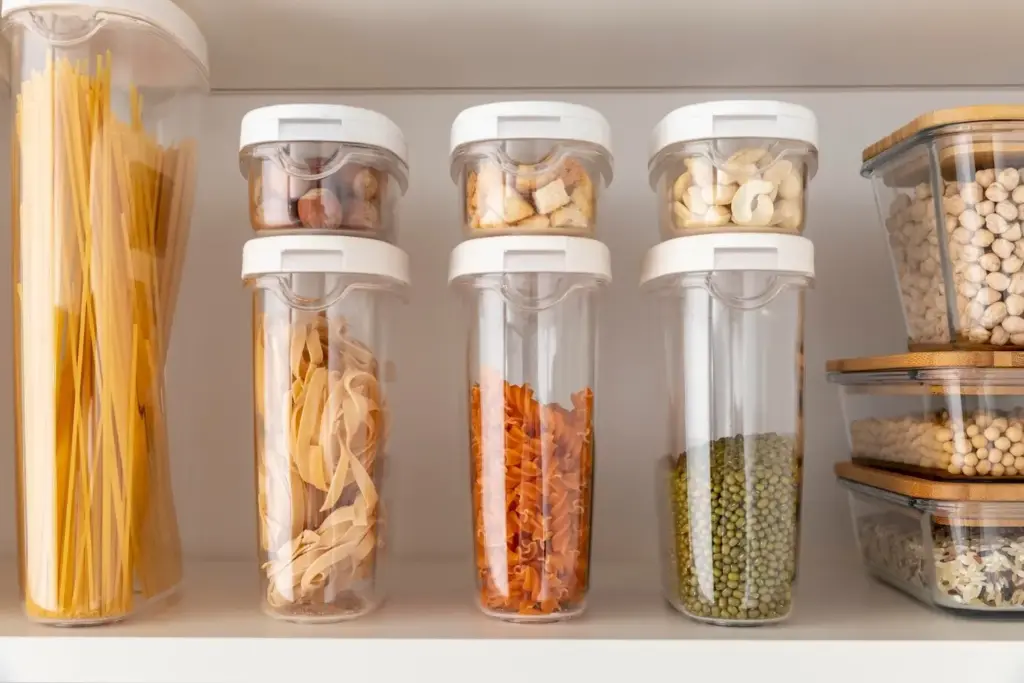
Anchor meals around versatile bulk items: lentils, rice, oats, and beans. Pair them with seasonal produce and rotating spices to keep dishes vibrant. Plan overlapping ingredients across dinners to use every jar completely. Batch-cook grains, then remix with different sauces. Our city notes identify shops with fresh herbs or specialty oils that elevate simple meals affordably. By looping meals around what refills reliably provide, you’ll shrink waste, save money, and still enjoy satisfying variety that feels creative rather than constrained.

Community Discounts and Jar Swaps

Many refill stores host jar libraries, allowing newcomers to borrow sanitized containers while building their own set. Some offer student, senior, or cooperative member discounts, plus reward stamps for frequent refills. Neighborhood swap tables turn surplus jars and lids into shared resources. These small programs lower the barrier to entry and foster a culture of mutual aid. Our guides flag such offerings so you can plan first visits confidently, try more products, and re-invest savings into durable containers that last years.

Hygiene, Safety, and Store Etiquette

Clean systems protect you and the community that depends on refill infrastructure. Shops maintain dispensers, provide handwashing stations, and follow strict rotation protocols. Your role is simple: bring sanitized containers, respect scoop policies, and share space kindly. Clear labeling prevents allergen accidents and ensures you can trace ingredients later. When in doubt, ask staff—they love to help. Good etiquette speeds lines, reduces cross-contact, and keeps refilling accessible to everyone. Together, conscientious habits transform sustainable shopping into a smooth, dependable routine.

Sanitizing Without Waste

Rinse containers promptly after use, then wash with hot water and biodegradable soap. Air-dry completely to prevent moisture issues. If you forget, many stores provide on-site sanitizing or approved rinses; ask before using. Avoid single-use wipes by carrying a small reusable cloth and travel-sized spray. Label containers with last wash date if you refill infrequently. These routines keep products fresh, minimize contamination risks, and prove that cleanliness and low-waste living can reinforce each other beautifully, without creating extra disposable materials.

Allergen Awareness and Cross-Contact

If you manage allergies, look for shops with dedicated scoops, separate bins, and posted cleaning schedules. Ask how they prevent cross-contact during refilling and whether staff can assist with sealed spouts. Photograph labels for ingredients and lot numbers where available. Consider using color-coded containers for nut-free or gluten-free items at home. Our guides highlight stores with robust protocols and clear signage. Staying informed and communicating needs turns a potentially stressful task into a predictable routine that keeps your household safe and comfortable.

Refill Etiquette That Builds Community

Small gestures matter: funnel your items without blocking aisles, cap containers before moving, and leave dispensers tidy for the next person. Offer a quick smile to someone learning tare for the first time. Return borrowed jars promptly and share honest feedback with staff. Etiquette is about care for shared systems and the people who rely on them. When shoppers collaborate, lines move faster, spills decrease, and these stores thrive, ensuring more neighborhoods gain access to packaging-light, affordable, and welcoming groceries.

Maps, Data, and How We Keep Listings Fresh
City information changes quickly, so our listings evolve with it. We cross-check hours, refill categories, deposit programs, and accessibility details through owner messages, receipts, and community submissions. We flag closures and re-openings to save you time. When a shop adds shampoo taps or new grain mills, we update promptly. Transparent change logs and verification notes prevent surprises and build trust. This living approach ensures your next refill run feels reliable, even if the city around you is moving fast.

Verification and Mystery Shopping

We periodically verify stores by calling, checking social posts, and conducting in-person visits when possible. Mystery shoppers note scale accuracy, refill hardware condition, and staff guidance. Photographs of signage confirm policies and hours. These checks reduce outdated recommendations and celebrate improvements like expanded bulk sections. If we miss something, your feedback corrects the record quickly. Verification is less about catching mistakes and more about championing reliable experiences so newcomers trust refill options as much as their usual supermarkets.

Crowdsourcing with Accountability

Community submissions power discovery, but we pair openness with responsible review. Clear forms request evidence—photos, receipts, or links—and we label unverified additions. When multiple locals confirm a detail, we update the listing and note who helped, if they consent. This process invites participation without sacrificing clarity. Crowdsourcing is a collective mapmaking effort, and accountability keeps it honest. Your voice makes the guide richer, more timely, and more representative of the neighborhoods you know best and love deeply.

Share Your Finds and Shape the Next Guide

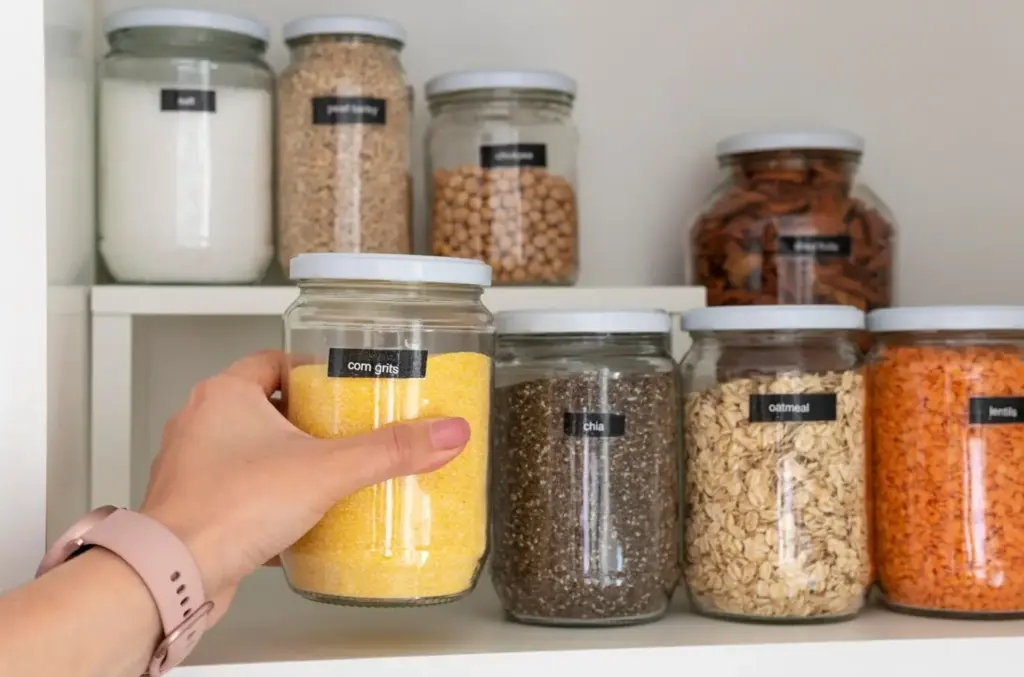
This project grows through stories, photos, and thoughtful tips. Maybe your favorite grocer just added vinegar taps, or a neighborhood co-op launched a jar library that changed everything for beginners. Send updates, review details gently, and uplift hardworking staff. Add a picture of your streamlined pantry to inspire others. Subscribe for new city releases and meet fellow refillers at local events. Your participation transforms scattered knowledge into a friendly, accessible map that makes sustainable shopping feel welcoming and achievable.
Use our simple form to share new stores, revised hours, or added refill categories. A quick photo of the bulk aisle, scale, or signage helps confirm details. We prioritize accessibility notes, transit options, and deposit programs because these shape real-world visits. After verification, updates appear in the guide with a changelog entry. You can remain anonymous or receive a thank-you credit. Even small corrections—like a switched bus line—save others time and make sustainable routines easier to maintain weekly.
Personal experiences move people. Share how your first refill trip cut kitchen clutter, or how a friendly clerk taught you tare during a busy Saturday rush. If a neighborhood club organized a jar swap that built friendships, tell us how it worked. Stories help new readers feel confident, normalizing refills as practical rather than perfectionist. We select highlights for city pages and newsletters, keeping advice grounded, human, and encouraging. Your voice can be the invitation someone needs to begin.
Tofikilozazimufi
Privacy Overview

This website uses cookies so that we can provide you with the best user experience possible. Cookie information is stored in your browser and performs functions such as recognising you when you return to our website and helping our team to understand which sections of the website you find most interesting and useful.